
Home security should be a top priority for every homeowner in Purchase, NY and the surrounding areas. While many people invest in alarm systems and surveillance cameras, the foundation of home security often starts with something much simpler: your locks and keys. At Harrison New York Locksmith, we've seen firsthand how simple oversights in lock maintenance and key management can compromise even the most security-conscious households. Whether you're a new homeowner or have lived in your property for years, understanding these essential locksmith safety tips can make the difference between a secure home and a vulnerable one.
Always Rekey Locks When Moving Into a New Home
One of the most critical yet frequently overlooked security measures is rekeying your locks immediately after moving into a new home. Many homeowners assume that receiving keys at closing means they have complete control over access to their property, but this couldn't be further from the truth.
Previous owners, real estate agents, contractors, cleaning services, and even neighbors may have copies of keys to your home. Without rekeying, you have no way of knowing how many keys are circulating or who has access to your property.
Rekeying is a cost-effective solution that changes the internal pins and springs of your existing locks, rendering old keys useless while allowing you to keep your current hardware. This process is significantly less expensive than replacing all your locks and can typically be completed in a few hours by a professional locksmith.
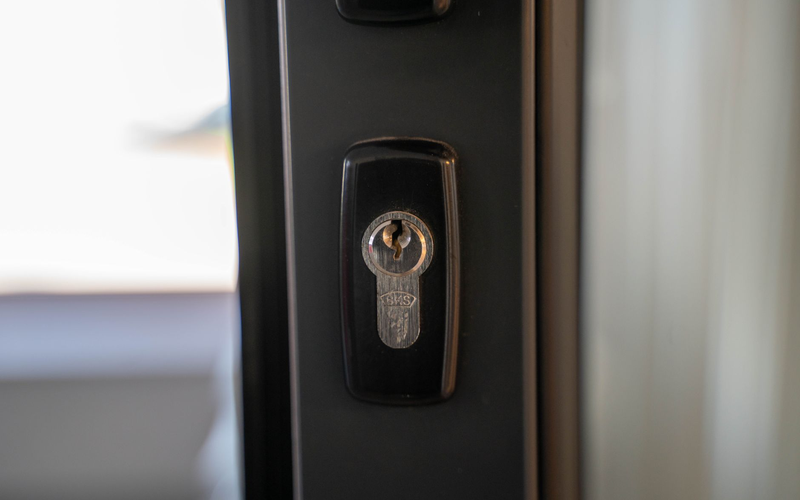
When you should rekey your locks:
- Immediately after purchasing a new home
- After a roommate or tenant moves out
- Following a divorce or relationship change
- If you've lost your keys
- After firing a contractor or service provider who had keys
Never Hide Spare Keys in Obvious Places
We've all seen it in movies: someone reaches under the doormat or above the door frame to retrieve a hidden spare key. Unfortunately, burglars have seen these movies too. Hiding keys in obvious locations is essentially leaving your door unlocked.
Common hiding spots that burglars check first include under doormats, inside fake rocks, above door frames, in mailboxes, and under flower pots. These locations are so predictable that experienced intruders can find hidden keys in less than a minute.
Safer alternatives for emergency access:
- Give a spare key to a trusted neighbor or family member
- Install a high-security keyless entry system with a code
- Use a lockbox with a secure combination in a discrete location
- Keep a spare key in your wallet (not one that identifies your address)
Upgrade to High-Security Locks
Not all locks are created equal. Standard residential locks, while adequate for basic security, can often be picked, bumped, or bypassed by experienced intruders in under 30 seconds. Upgrading to high-security locks provides substantially better protection for your home and family.
High-security locks feature advanced protection against common break-in techniques including lock picking, bumping, and drilling. They often include reinforced strike plates, hardened steel inserts, and patented keyways that prevent unauthorized key duplication.
Benefits of high-security locks:
- Superior resistance to picking and bumping techniques
- Restricted keyways that can only be duplicated with proper authorization
- Reinforced construction that withstands physical attacks
- Longer lifespan and better warranty coverage
- Increased home insurance discounts in some cases
Maintain Your Locks Regularly
Locks are mechanical devices that require periodic maintenance to function properly. A sticky, difficult-to-turn lock isn't just an inconvenience—it's a security risk. Compromised locks are easier to manipulate and more likely to fail when you need them most.
Regular lock maintenance extends the life of your hardware and ensures reliable operation. Most locks should be cleaned and lubricated at least once a year, or more frequently if they're exposed to harsh weather conditions.
Simple lock maintenance steps:
- Clean keyholes with compressed air to remove dirt and debris
- Apply graphite lubricant (never oil-based products) to keyways
- Tighten loose screws on door hardware
- Check that deadbolts fully extend and retract smoothly
- Ensure strike plates are properly aligned and secured
Implement Proper Key Control Practices
Key control—knowing who has access to your property and maintaining accountability for all keys—is fundamental to home security. Poor key control is one of the leading causes of unauthorized access and break-ins.
Every key you distribute represents a potential security vulnerability. Keys can be lost, stolen, or copied without your knowledge. Implementing strict key control practices helps you maintain the integrity of your home security system.
Essential key control practices:
- Maintain a written log of who has keys to your home
- Use restricted keyways that require authorization for duplication
- Collect keys immediately when relationships change or services end
- Never attach identifying information to key rings
- Consider using different locks for different access levels
- Mark keys with codes rather than addresses
Secure All Entry Points, Not Just the Front Door
Many homeowners focus exclusively on their front door while neglecting other entry points. However, statistics show that burglars often target side doors, back doors, and garage entries because these locations typically have less security and more privacy from neighbors' view.
Every door that leads from the outside into your home should have the same level of security as your front entrance. This includes doors leading from your garage into your house, basement entries, and sliding glass doors.
Comprehensive entry point security checklist:
- Install deadbolts on all exterior doors
- Secure sliding doors with secondary locking devices
- Reinforce door frames with heavy-duty strike plates
- Ensure garage doors have quality locks and are kept closed
- Install secure locks on basement windows and doors
- Consider smart locks for convenient yet secure access
Do You Need Professional Locksmith Services?
While some basic security measures can be implemented independently, working with a professional locksmith ensures your home security is properly configured and optimized. Professional locksmiths have the expertise to assess your property's unique vulnerabilities and recommend appropriate solutions.
At Harrison New York Locksmith, serving Purchase, NY and surrounding communities at 700 Anderson Hill Rd, we specialize in residential security solutions tailored to your specific needs and budget. Our experienced technicians can evaluate your current security setup, identify weaknesses, and implement comprehensive solutions to protect your home and family.
Frequently Asked Questions
How much should a locksmith cost per hour? Professional locksmith rates in the Purchase, NY area typically range from $75 to $150 per hour, depending on the service complexity and timing. Emergency or after-hours services may cost more due to availability requirements.
Which keys cannot be copied? High-security keys with restricted keyways, such as Medeco, Mul-T-Lock, and Assa Abloy keys, require authorization and cannot be duplicated at standard key-cutting locations. Some government and institutional keys are also marked "Do Not Duplicate" and have legal restrictions.
Do you need a license to be a locksmith in NY? Yes, New York State requires locksmiths to be licensed. Always verify that your locksmith holds a valid license and insurance before allowing them to work on your property.
Are you supposed to tip your locksmith? Tipping is not required but is appreciated for exceptional service, particularly for emergency calls or complex jobs completed efficiently.
Secure Your Home Today
Implementing these locksmith safety tips is an investment in your family's security and peace of mind. Don't wait until after a security breach to take action. Whether you need lock rekeying, high-security lock installation, or a comprehensive security assessment, the professionals at Harrison New York Locksmith are here to help.
Contact us today to schedule a security consultation and discover how we can help protect what matters most. Your home's security is our priority, and we're committed to providing Purchase, NY homeowners with the highest quality locksmith services and expert guidance.